From Extraction to a Complete Smile
Your Full Implant Journey, Under One Roof
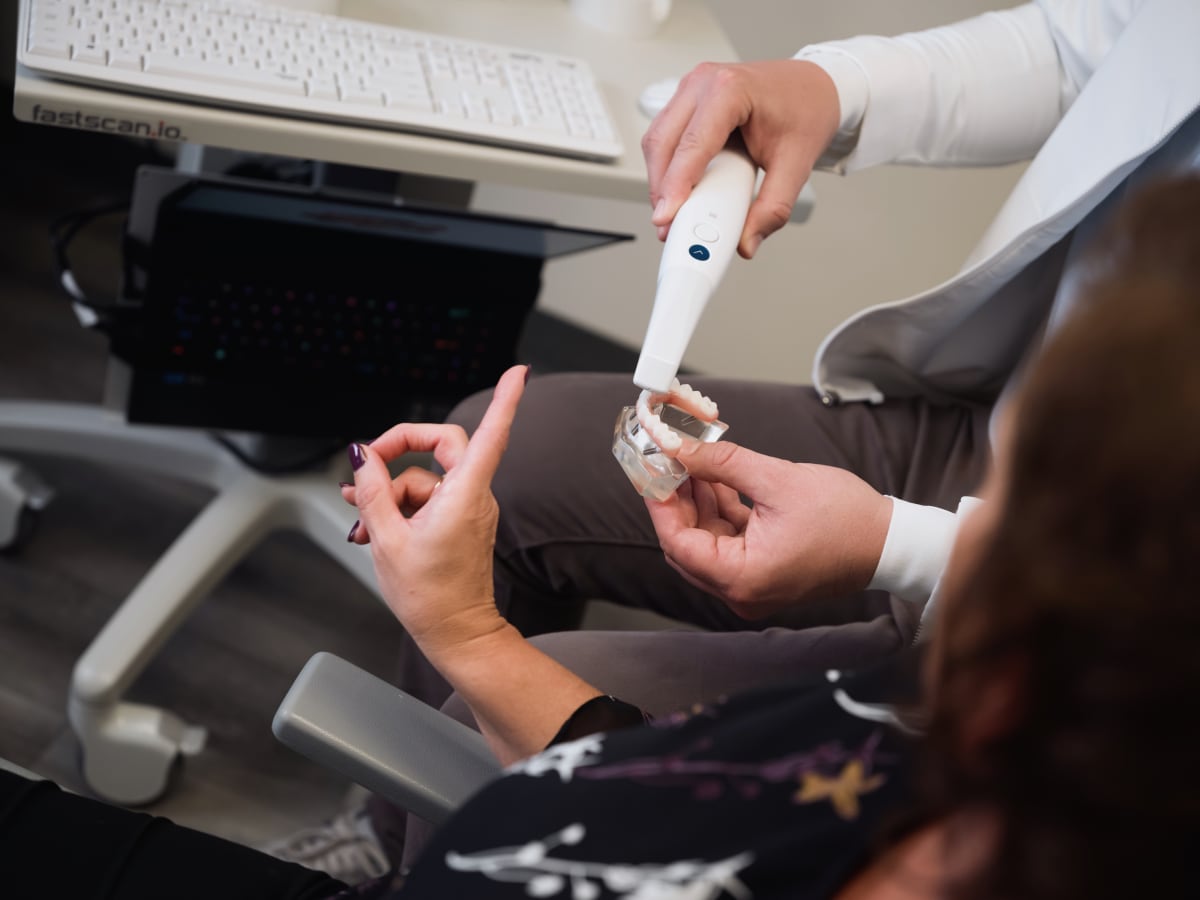
At 207 Dental, tooth extraction is never the end of the conversation — it is the beginning of a replacement plan. We perform in-house extractions, implant placement, and final restoration so your care is coordinated and handled by the same team from start to finish. You never have to navigate referrals, wait rooms at outside offices, or piece together your treatment across multiple providers. Everything happens here, on a timeline that makes sense for you.
When a Tooth Needs To Come Out
Severe Decay
When a cavity has progressed beyond what a crown or root canal can save, extraction removes the source of infection and creates a clean foundation for replacement.
Advanced Gum Disease
Severe periodontal disease can destroy the bone support around a tooth to the point where it can no longer be maintained. Extraction stops the spread of infection to adjacent teeth.
Cracked or Fractured Tooth
Cracks that extend below the gumline or through the root cannot be repaired. Extraction is the appropriate step when the structural integrity is compromised beyond restoration.
Impacted or Problematic Wisdom Teeth
Wisdom teeth that are fully or partially impacted, causing crowding, decay in adjacent teeth, or recurring infection, are routinely extracted at 207 Dental.
Orthodontic Treatment
In some cases, strategic extractions create the space needed for proper alignment — part of a coordinated treatment plan that considers the full picture.
Dental Trauma
Injuries that result in a tooth being fractured at or below the gumline may leave extraction as the most appropriate path forward, particularly when replantation is not viable.
Every extraction recommendation at 207 Dental is made after a thorough evaluation using digital X-rays and 3D cone beam imaging. We never recommend removing a tooth that can be saved — and when extraction is the right decision, we explain exactly why, what happens next, and what your replacement options look like before anything is scheduled.
Bone Preservation Starts At Extraction
When a tooth is removed, the jawbone beneath the empty socket begins to resorb almost immediately — losing volume, density, and height that affects both the fit of future restorations and the long-term structure of your face. At 207 Dental, extractions are performed with bone preservation in mind from the very first incision.
We use minimally traumatic extraction techniques that preserve as much of the surrounding socket as possible. When appropriate, socket grafting is placed immediately after extraction to maintain bone volume during healing, creating the best possible foundation for the implant that will follow. The difference this makes for long-term implant success and facial volume preservation is significant — and it starts on the same day as the extraction.
Why Implants Are The Gold Standard For Replacing Extracted Teeth
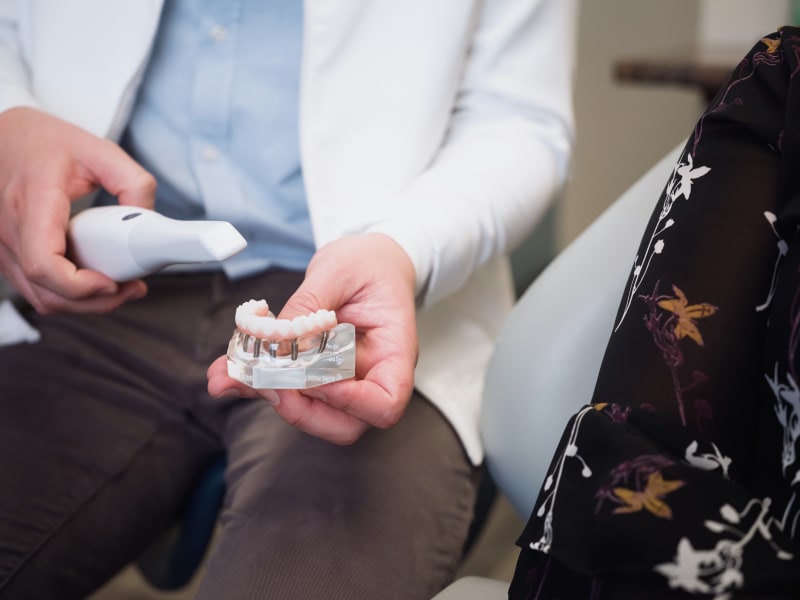
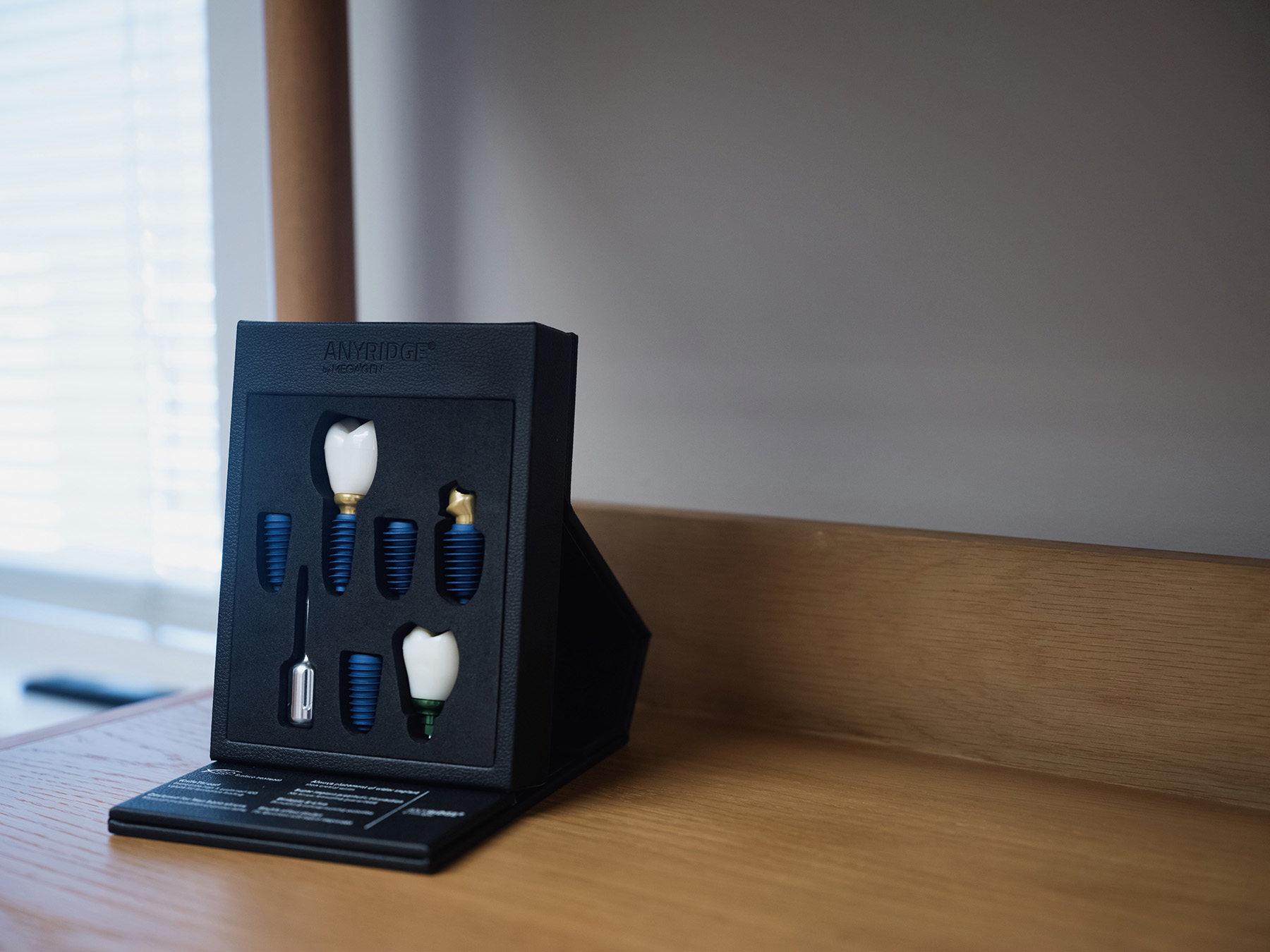
A dental implant replaces not just the visible crown but the root itself — the titanium post integrates with the jawbone through a process called osseointegration, stimulating bone tissue in the same way a natural tooth root does. This prevents the progressive bone loss that begins after tooth loss and continues for years when the gap is left unaddressed or filled only with a bridge or removable partial.
Implants also eliminate any involvement of adjacent teeth. A traditional bridge requires grinding down the neighboring teeth on either side to serve as anchors — permanently altering healthy, intact tooth structure. An implant stands independently, leaving surrounding teeth completely untouched. For patients who are clinically appropriate candidates, implants consistently represent the most complete, most durable, and most conservative long-term investment for a missing tooth.
At 207 Dental, implants are always presented alongside bridges and other tooth replacement options honestly. We tell patients where each option has genuine advantages and where it does not — because the right choice is the one that actually fits your clinical situation, timeline, and goals.
3D Imaging For Precise Implant Placement
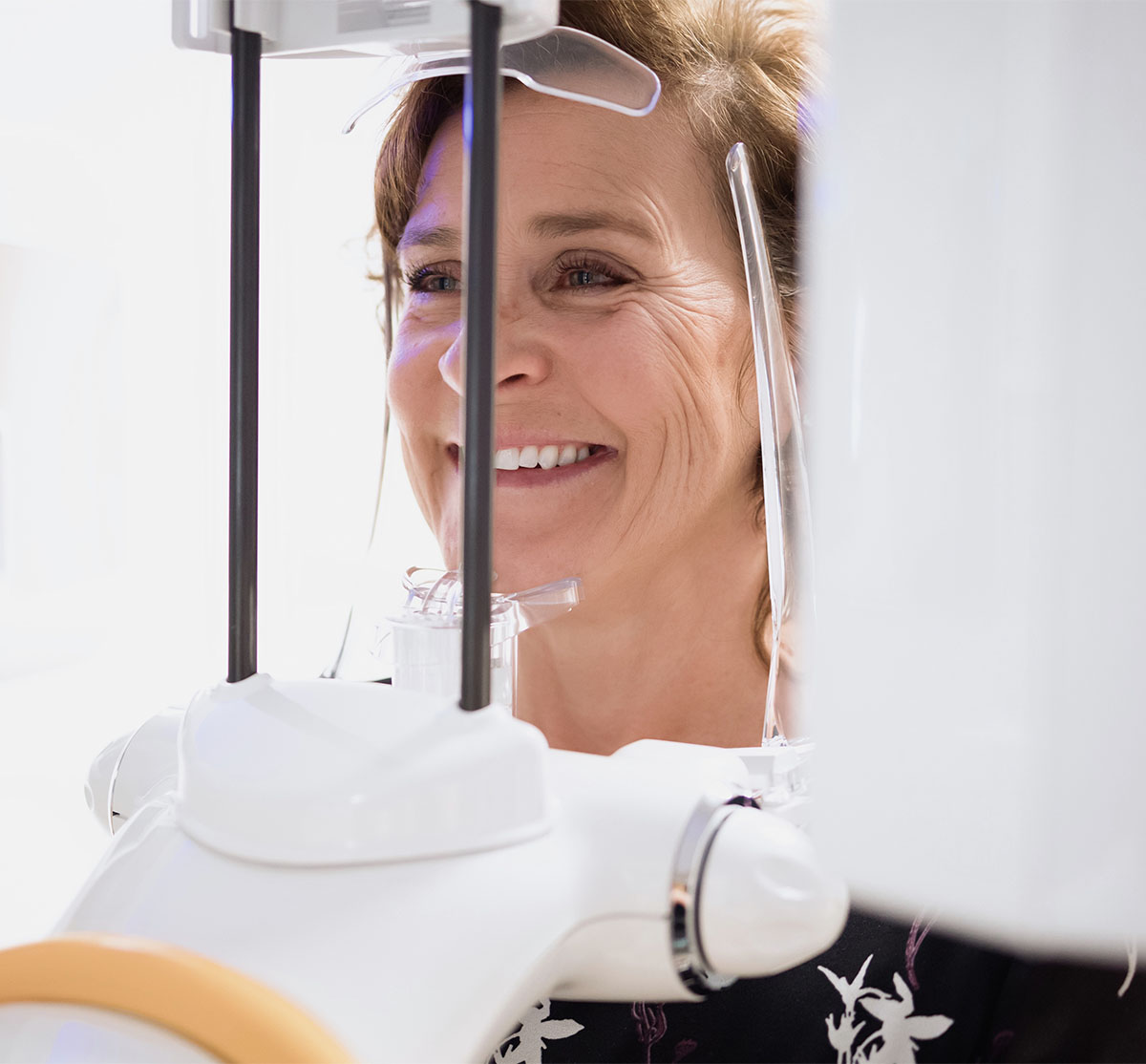
Implant placement at 207 Dental begins with 3D cone beam imaging that maps the full three-dimensional structure of your bone — its width, height, density, and proximity to critical anatomical structures — before any surgical step is taken. This level of detail is not possible with traditional 2D X-rays alone, and the precision it enables directly affects the long-term success of the implant.
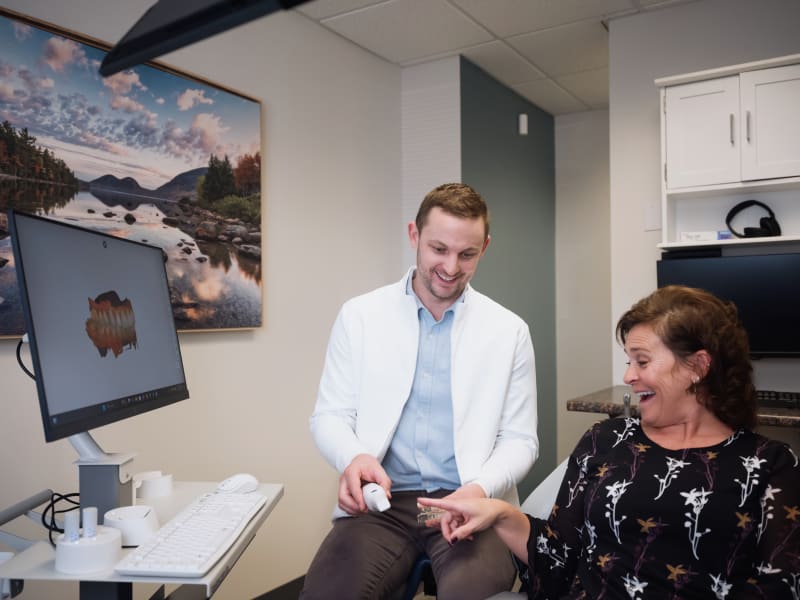
Digital scanning replaces traditional impression trays throughout the restorative phase, producing more accurate crown fabrication and a significantly more comfortable experience. The final crown is matched to the surrounding teeth in shade, shape, and function — built to integrate naturally and last.
Recovery, Healing & What Comes Next
After Your Extraction
Most patients experience mild soreness and swelling for two to four days after a routine extraction. We provide specific post-operative instructions before you leave and remain available if anything feels concerning during recovery. Dry socket, infection, and other complications are uncommon — and we address them promptly when they do occur.
Osseointegration Healing
After implant placement, the titanium post integrates with your jawbone over a period of three to six months. During this time we monitor healing and keep you informed of exactly where you are in the process. Most patients return to normal daily activities quickly — the healing happens beneath the surface.
Final Restoration
Once osseointegration is confirmed, we attach the abutment and fabricate your final crown using digital scanning for a precise fit. The completed implant looks, feels, and functions like a natural tooth. Most patients find the final result indistinguishable from the teeth around it.
Sedation Options & Financing Available
For patients who experience anxiety about the surgical phase of implant treatment, nitrous oxide and oral conscious sedation are available in-office. No patient at 207 Dental has to choose between their anxiety and the care they need.
Implant treatment is a significant investment in your long-term oral health — and we treat it that way. The cost, timeline, and realistic outcomes are reviewed completely before any commitment is made, and financing options are discussed openly so cost never becomes the reason a patient delays treatment that would genuinely improve their quality of life.

You're invited
Whether you're new or returning, we're here to listen, answer your questions, and help you feel at home.